

ISO 22000 and HACCP | Food Safety Management Systems | URS Jordan
- Food safety management systems are a fundamental pillar for protecting the biological and commercial safety of organizations operating within the food supply chain. Securing food products does not depend on random final product inspection; it requires building a strict preventive system that identifies hazards at their source and controls them throughout processing, handling, and distribution stages.
- Leading food organizations view compliance with international standards as a strategic tool for accessing regional and global export markets and avoiding financial losses resulting from product recalls, rather than merely paper-based procedures for audit purposes.

The Operational Pyramid of Food Safety: Integration Between GHP, HACCP, and ISO 22000
Food safety frameworks integrate and progress across three essential levels, each of which depends on the others:
- Good Hygiene Practices (GHP): The foundational operational base of the organization. They focus on controlling the basic work environment, including personal hygiene of employees, equipment and surface design, pest control, water and waste management, and proper ventilation and storage.
- Hazard Analysis and Critical Control Points (HACCP): The advanced technical methodology based on identifying and analyzing hazards — biological, chemical, physical, and allergenic — and determining Critical Control Points (CCPs) through which hazards can be prevented or reduced to safe levels, with critical limits, monitoring systems, and immediate corrective actions.
- Food Safety Management System (ISO 22000): The comprehensive administrative and governance umbrella that integrates Good Hygiene Practices (GHP) with the HACCP plan, and connects both to organizational communication mechanisms, internal and external, competence management, documentation, top management responsibility, and audited continual improvement.
The Commercial and Operational Necessity of Food Safety Management System Certification
Organizations in Jordan need to implement these systems to respond to critical competitive and regulatory requirements:
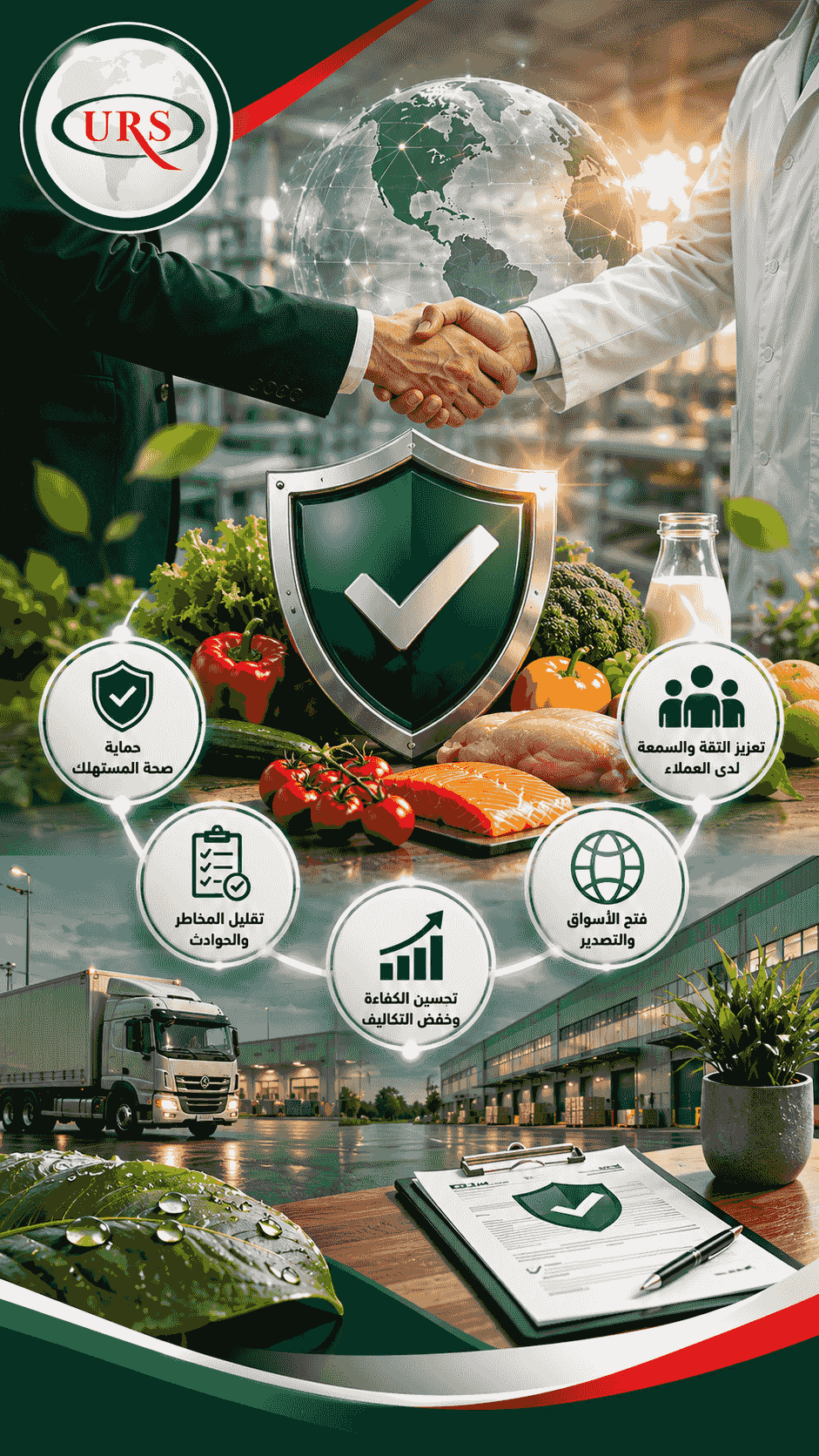
- Qualification for major supply contracts (B2B Leverage): International hotels, major supermarket chains, and airlines often require accredited food safety certifications before listing any organization as an approved supplier.
- Access to international markets and export opportunities: ISO 22000 certification supports understanding food safety requirements and strengthens confidence among some clients in Middle Eastern, European, and American markets, depending on the sector and applicable contractual and regulatory requirements.
- Traceability efficiency management: Enabling the organization to recall any product batch quickly and accurately in the event of any deviation, protecting the brand’s reputation from serious damage.
- Compliance with national legislation: Aligning operations with the requirements of the Jordan Food and Drug Administration and the governing regulatory frameworks in the Kingdom.
Scope Accuracy: Aligning the Food Safety System with the Nature of Each Organization
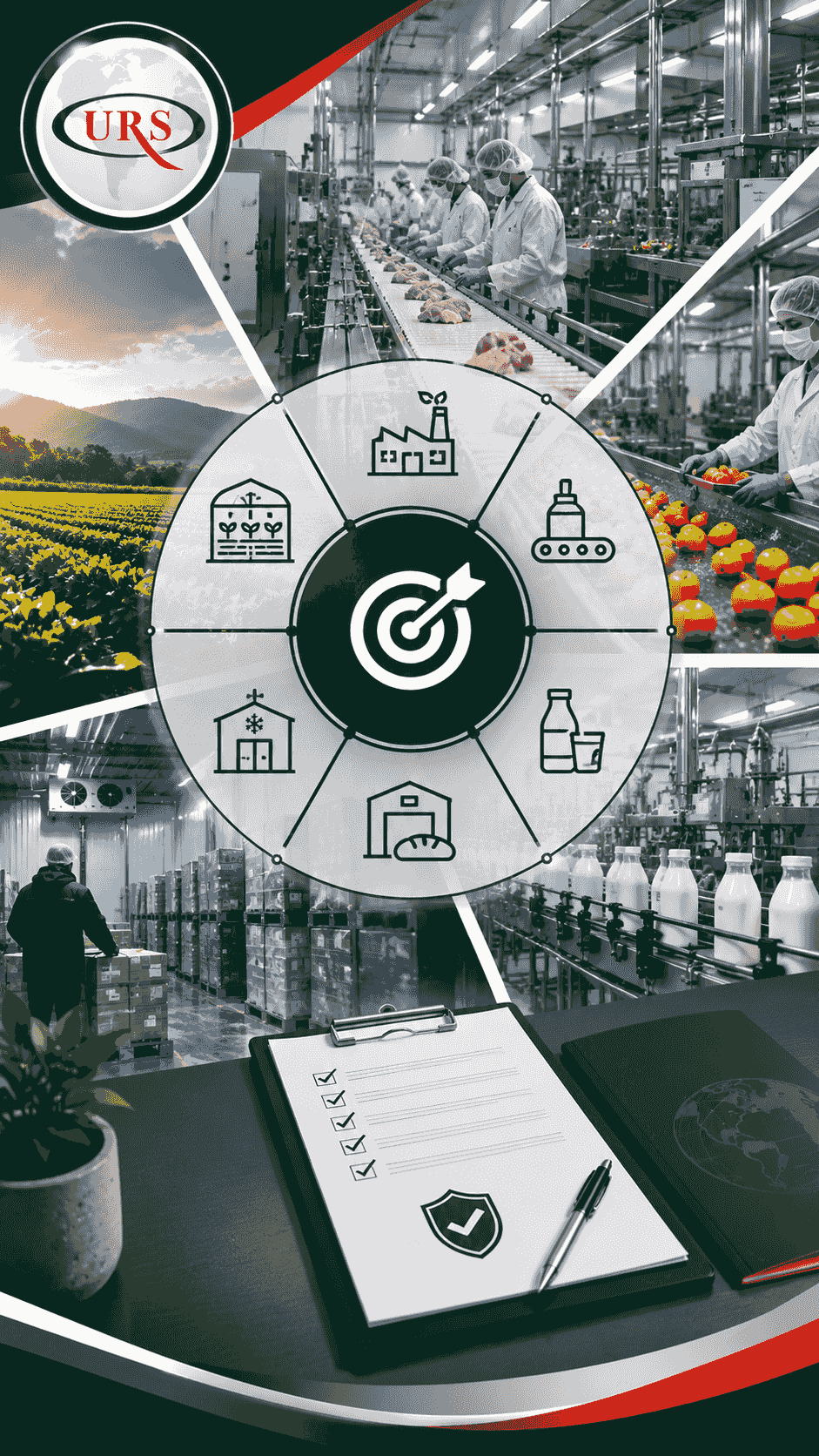
ISO 22000 is highly flexible in covering all parties within the food chain, as the nature of the scope and covered risks varies according to the activity:
- Food manufacturing and packaging facilities: Focus on governing production lines and controlling manufacturing-related contaminants.
- Logistics, refrigerated transport, and warehousing companies: Focus on controlling cold chains and preventing cross-contamination during transportation and storage.
- Central kitchens, catering companies, and restaurants: Focus on short shelf-life periods, direct hygiene controls, and risks related to immediate food preparation.
Technical Assessment: Implementing the Food Safety System Versus Obtaining Certification
- Combining the two concepts within the same context is a strategic mistake. System implementation represents the organization’s internal effort to control its practices, train its personnel, and structure its actual records to reflect daily operational reality.
- Obtaining ISO 22000 certification, however, is an independent technical pathway managed by a third-party body based on field evidence review, verification of the effectiveness of prerequisite programs, and the organization’s ability to address nonconformities. Certification in this context is an earned outcome based on actual practice and commitment, not something granted through prior marketing promises.
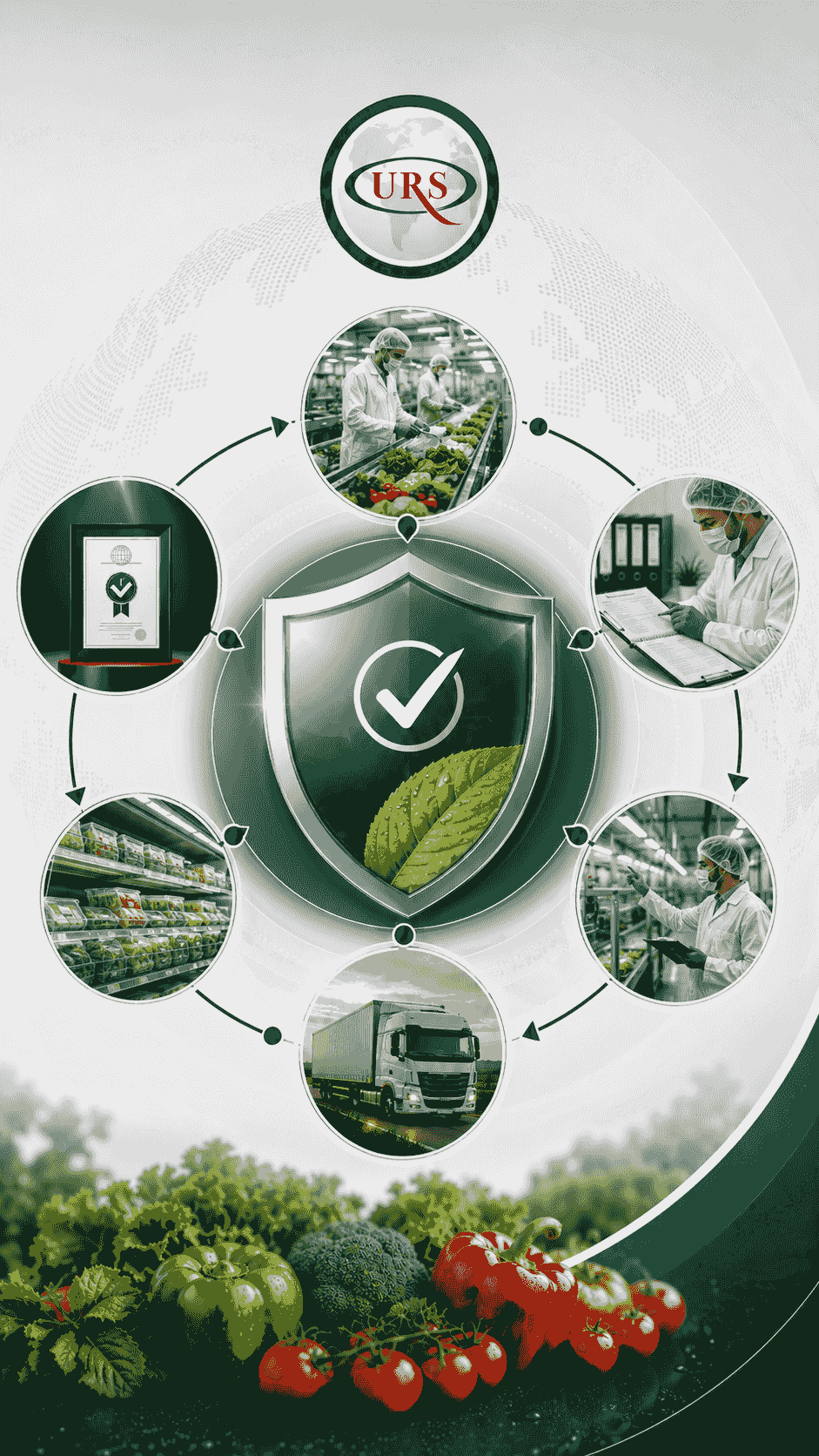
Certification and Audit Pathway Through URS Jordan for Food Organizations
As the local office within the URS Holdings UK system in Jordan, we provide food organizations with an independent audit pathway characterized by technical depth and international discipline through the following steps:
- Studying the organization’s context: Identifying and describing production lines, workforce size, manufacturing stages, and outsourced processes.
- Accurately defining the certification scope: Formulating the boundaries of certification and the covered products in alignment with the nature of the activity and the legal license.
- Structuring the audit pathway: Conducting on-site audits in two stages to verify readiness and actual compliance, leading to an international certification decision based on evidence integrity and independent technical review.


